



The Incredible Hulk (2008) with Russell Moran (Kaiju ComiCast)
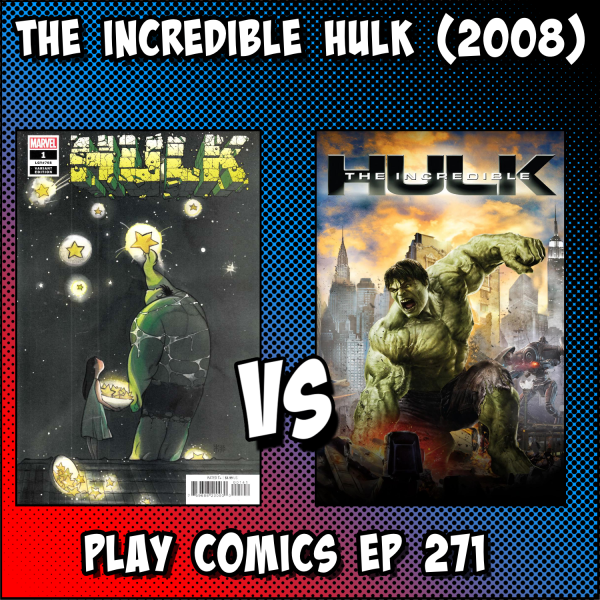
Bruce Banner has the worst anger management plan in recorded history. Step one: don’t get angry. There is no step two, because the world is full of slow Wi-Fi, hold music, and a military that answers “please stop chasing me” by chasing him harder. It always ends the same way: one enormous green man, one miraculously intact pair of purple pants, and a repair bill the city will still be paying off in 2060.
This episode is about The Incredible Hulk, the video game spun out of the 2008 film. It’s a story about a man who just wants a quiet life, a decent cup of coffee, and a cure, and who keeps getting interrupted by helicopters. His entire personality is a mood swing with a gym membership, and he is somehow still the most reasonable person in any room that contains Ross.
Returning to the show to take the green wheel is Russell Moran of Kaiju ComiCast. Russell spends his days with some of the biggest monsters ever to flatten a skyline, which makes him the one guest who won’t flinch when a city block gets treated like a chew toy. That gives us the big question: is the Hulk a superhero, or a kaiju with a great publicist and a gamma-radiation origin story? Russell is here to rule on it.
Keep a spare pair of stretchy pants handy, don’t make us angry in the comments, and let’s find out whether this one leaves you roaring or just leaves a very large hole in the wall.
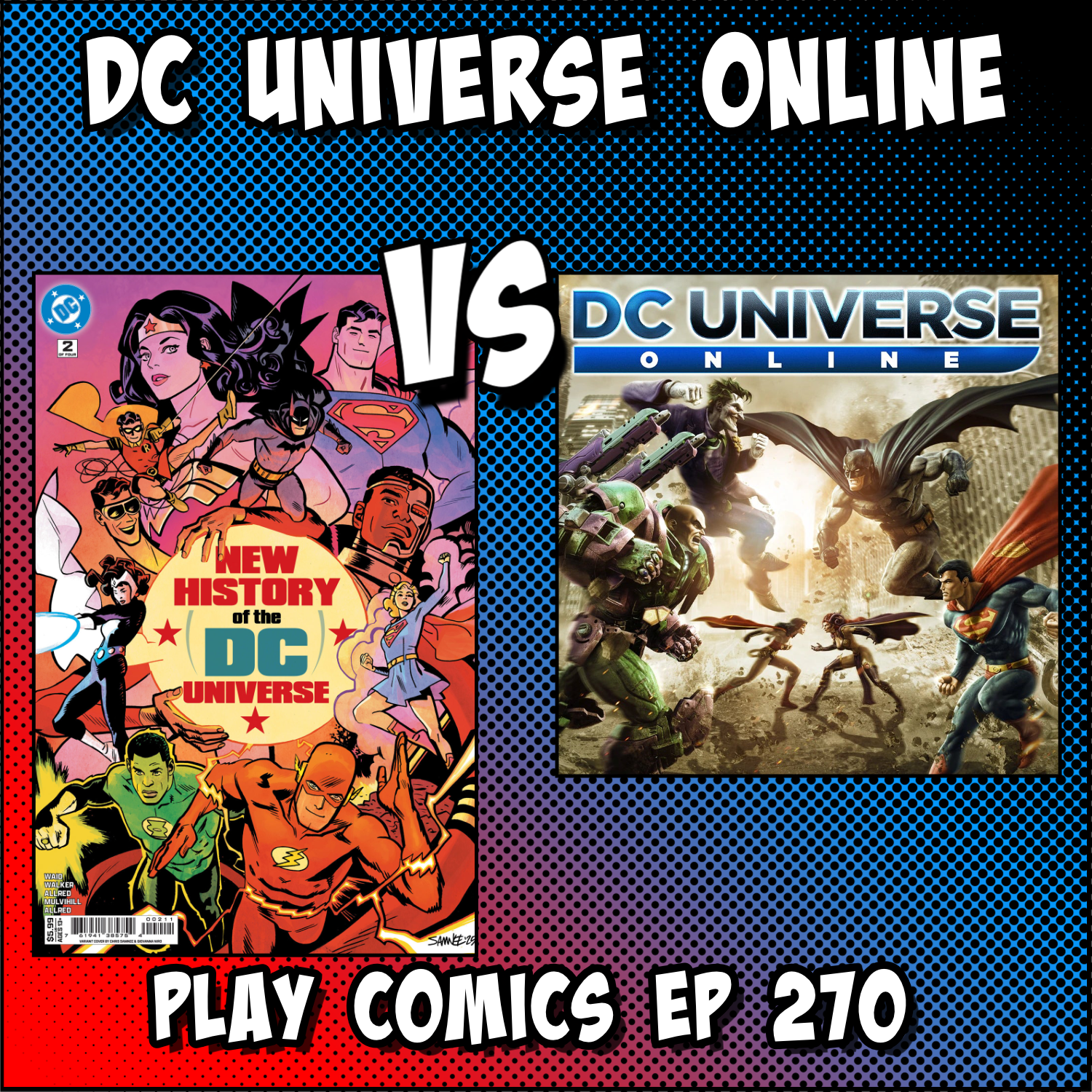
DC Universe Online with David Gallaher
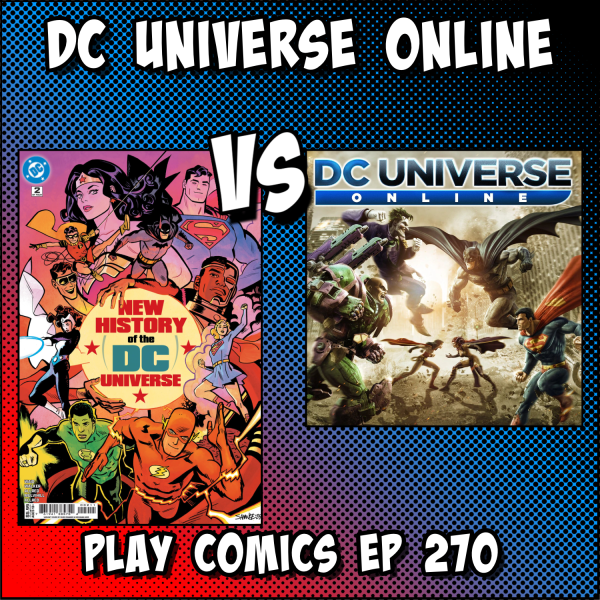
Congratulations! You’ve been hired by the Justice League. Your title is “Hero,” your qualifications are “showed up,” and your first assignment is standing in Metropolis next to Superman while a stranger in a very small cape asks you where the good loot is. Welcome to DC Universe Online, the game where you can create your own superhero and then spend the entire first hour in the character creator, agonizing over the exact shade of your cape and a name that isn’t already taken by eleven thousand other guys who thought “Night-something” was original.
The premise is gloriously simple: you get to live in the same world as Batman, Superman, Wonder Woman, and the rest of DC’s heavy hitters, and the heavy hitters are weirdly cool about it. Nobody asks for a résumé. Nobody questions why a hero named “SteelGhostFlash7” is suddenly on the Watchtower. The Joker is out there being the Joker, Lex Luthor is out there being smug, and you are out there trying to figure out whether you’re a legend in the making or just a guy in tights who’s very good at following the glowing arrow on the map.
Leaping into the DC playground with us is David Gallaher, writer of some of your favorite video games and comics, which means he’s spent years inventing heroes and villains on purpose, a luxury the rest of us only get in a character creator. David has been on both sides of the page, so he’s perfect for the question at the heart of this episode: when you drop yourself into a universe where the icons were already established decades ago, do you feel like a hero, or a very enthusiastic extra with a better costume?
So grab your most dramatic cape, practice your brooding stare in the mirror, and settle in. Somewhere out there a hero is saving the city, and he’s definitely using a username he regrets.
Also be sure to check out the full post so you can see some of the stuff that Daybreak sent over for me to share. It doesn’t play nicely with RSS feeds.
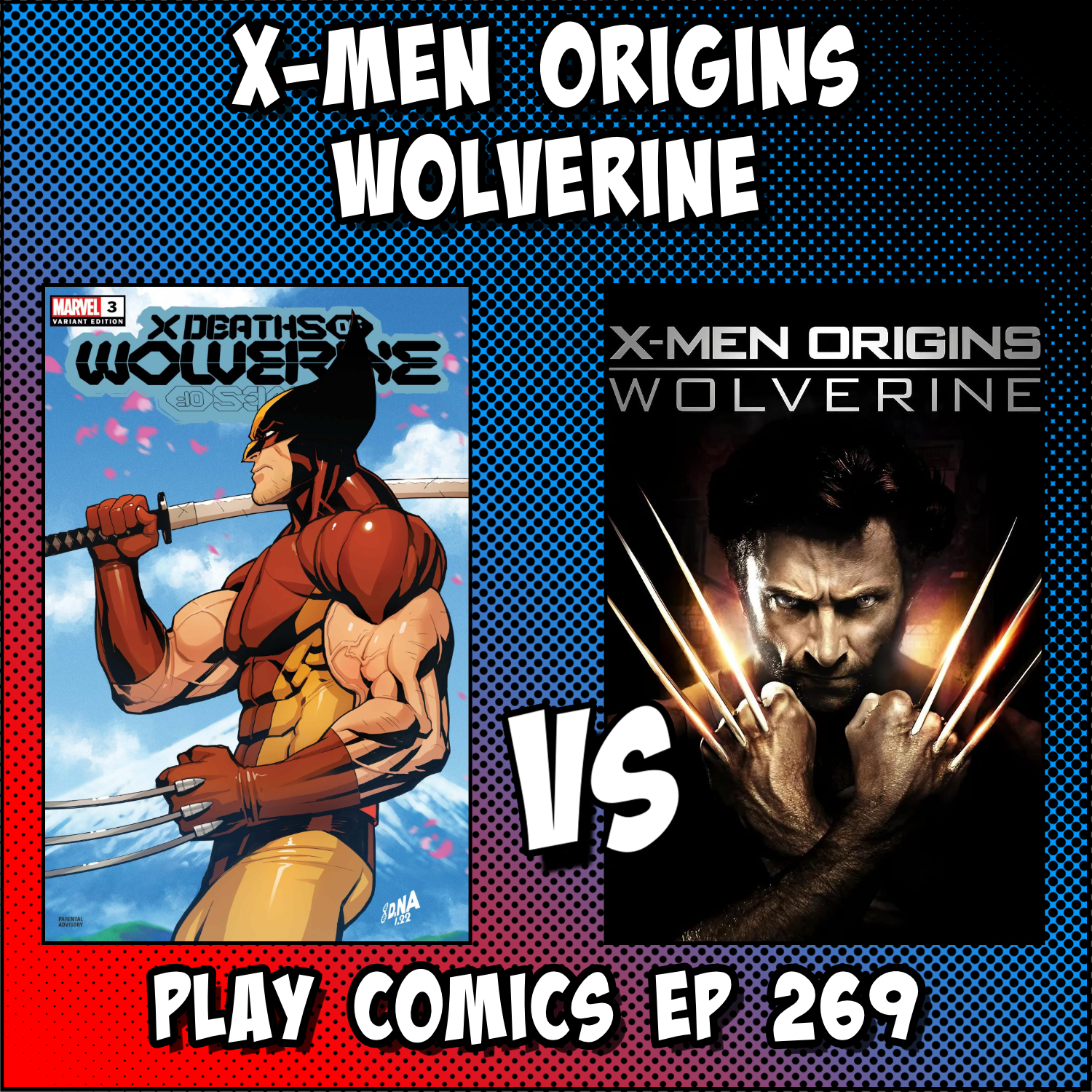
X-Men Origins Wolverine with Grant Stoye
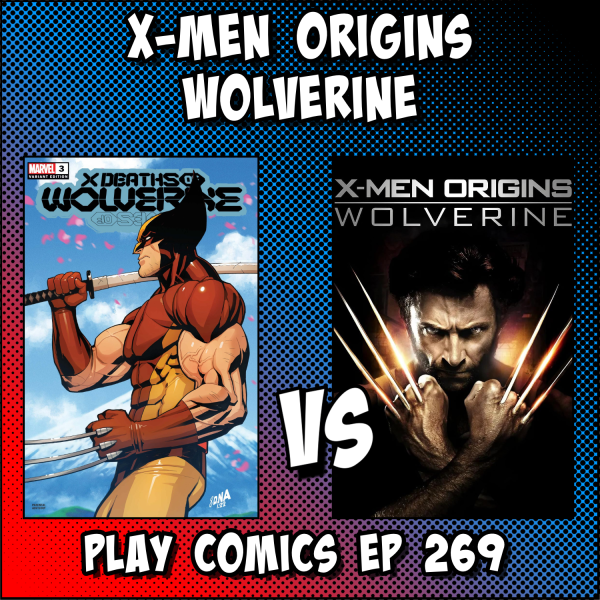
Wolverine is the best there is at what he does, and what he does is get stabbed, shot, and set on fire before shrugging it off and asking where the nearest bar is. His healing factor makes him the only character in comics who can have a terrible day, a worse day, and a questionable haircut, and still be back to normal by Tuesday. It’s easily the most relatable power in the Marvel universe, provided you’ve ever tried to recover from a long weekend.
This episode is about X-Men Origins: Wolverine, a game built on the idea that a man with an indestructible skeleton has somehow misplaced his own backstory. He’s got amnesia, a grudge, and a tank top collection that suggests he’s never once been cold. It’s a story about a guy trying to remember who he is, told in a medium where the answer is usually “the one who’s yelling and tearing through everything within reach.”
Helping us sort through the rage and the sideburns is Grant Stoye, the comic writer behind some of your favorite independently released comics and one of the minds behind the currently running Kickstarter for Yule Volume 2. Grant knows a thing or two about Wolverine-level resilience. Independent creators bounce back from deadlines, printer quotes, and shipping costs that would flatten lesser mutants, and their healing factor runs on coffee and optimism. If anyone can tell us whether a hero who survives everything can still keep a story interesting, it’s a guy who makes comics happen with no safety net and a lot of heart.
Bring a bandage you won’t need, hide anything made of paper, and let’s find out whether this one earns its snikt or just growls a lot and leaves.